
The allure of gambling
The psychology behind gambling is deeply rooted in human experience, enticing individuals with the promise of excitement and potential rewards. The thrill associated with gambling can be traced back to the brain’s reward system, which releases neurotransmitters such as dopamine when one engages in pleasurable activities. This biological response creates a cycle of desire, encouraging individuals to seek out gambling as a means of experiencing a rush similar to other rewarding pursuits like the ripper casino login that offers various games and experiences. This desire is not solely about monetary gain; it often encompasses the search for enjoyment, validation, and a break from routine.
Furthermore, the ambiance of casinos is meticulously designed to amplify this allure. The vibrant lights, the sounds of cheers and bells, and even the scent of fresh cash contribute to an environment that energizes and seduces players. The architectural design often includes no windows or clocks, intending to disorient and immerse players in a timeless realm where the flow of time blurs. This psychological manipulation enhances the gambling experience, making it hard for players to resist the urge to continue betting, as they feel enveloped in a world that thrives on thrill and risk.
Beliefs surrounding luck and chance also play a significant role in gambling psychology. Many gamblers hold superstitions and myths that they believe can sway the odds in their favor. Rituals, specific seating arrangements, or even chosen numbers can become a part of their gambling routine. These beliefs, although irrational, can significantly affect their behavior and decision-making, leading them to pursue continued play even when faced with losses. This illustrates how deeply personal psychology intertwines with the gambling experience, creating a complex tapestry of hope, belief, and sometimes, desperation.
Understanding risk-taking behavior
Risk-taking is a fundamental aspect of gambling, attracting individuals who thrive on uncertainty. The perception of risk versus reward influences how gamblers make choices related to betting. Psychologically, some individuals exhibit higher tolerance for risk, often referred to as sensation-seeking behavior. For these individuals, gambling becomes more than just a financial endeavor; it transforms into a thrilling challenge that feeds their need for excitement. In this context, the stakes are not merely monetary; they represent a test of their courage and decision-making skills.
The social dynamics present in casinos also contribute to the risk-taking element. Many gamblers are influenced by the behavior of those around them, often feeling encouraged or pressured to bet more when they witness others winning. This creates a shared psychology among players, leading to a culture of high-stakes gambling where perceived social approval further fuels reckless betting. The interplay between personal risk tolerance and social context creates a complex environment that can lead to impulsive decisions, as the thrill of the moment often overshadows rational considerations.
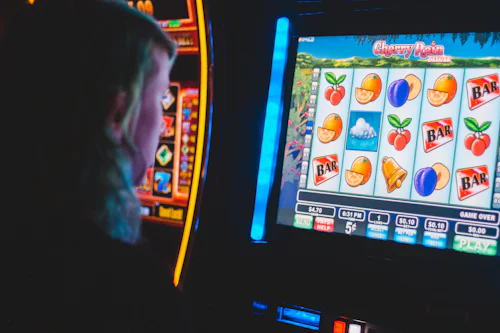
Moreover, the concept of loss aversion plays a crucial role in gambling behavior. Research indicates that individuals are often more motivated to avoid losses than to seek gains, leading to chasing losses—a behavior where gamblers continue to wager in an attempt to recover lost money. This can trap players in a cycle of betting, as they irrationally believe that recouping their losses is just within reach. This demonstrates the powerful impact of psychological factors on their gambling habits, as emotional responses often override logical thinking in moments of high stress or excitement.
Emotional and cognitive influences
The emotional landscape of gambling significantly influences player behavior. Emotions can drive decision-making, altering rational thought processes and leading to impulsive actions. For instance, feelings of excitement and euphoria can foster an environment where gamblers make riskier bets, often unfazed by previous losses. Conversely, negative emotions such as frustration or stress can precipitate a desire to gamble as a form of escapism, where individuals use games of chance to distract themselves from their troubles. This emotional interplay illustrates how gambling can serve as both a source of joy and distress, creating a paradox that is hard to navigate.
Cognitive biases further shape how gamblers perceive their chances of winning. The availability heuristic, where individuals estimate the probability of outcomes based on recent memories, often leads players to believe that winning streaks are indicative of future success. This cognitive distortion encourages prolonged gambling, as players grow confident in their perceived skills or luck. Simultaneously, confirmation bias can lead players to remember their wins more vividly than their losses, further entrenching them in the gambling cycle. These cognitive traps create a skewed perception of reality that can be difficult to escape.
Additionally, the role of advertising and marketing cannot be overlooked. Casinos strategically market their games as exciting and glamorous, often glamorizing the lifestyle of successful gamblers. This portrayal contributes to unrealistic expectations and can lead individuals to believe that gambling is a viable means to financial success. The combination of emotional motives, cognitive biases, and aggressive marketing tactics creates a perfect storm, encouraging many to gamble despite the inherent risks involved. Such influences highlight the need for critical awareness among players regarding the motivations behind their gambling behaviors.
The impact of technology on gambling behavior
The rise of technology has revolutionized the gambling landscape, introducing new forms of gambling that are more accessible than ever. Online casinos and mobile betting applications allow individuals to gamble from the comfort of their homes, significantly increasing the frequency and volume of play. This ease of access can warp traditional boundaries, tempting individuals to gamble outside the controlled environments of physical casinos. The psychological implications suggest that individuals may develop compulsive gambling behaviors more easily in a digital space, where the temptation to engage is just a click away.

Moreover, the use of algorithms in online gambling platforms creates personalized experiences that enhance engagement. By analyzing players’ behaviors, these platforms can tailor promotions and games to keep users invested, often employing strategies similar to those used in video games—such as reward systems and leveling up. This gamification taps into psychological triggers, providing instant gratification and reinforcing behavior patterns that encourage continued play. Consequently, individuals may find themselves gambling larger amounts than they would in a traditional casino, often without fully realizing the extent of their engagement.
The emergence of virtual reality (VR) technology further transforms the psychological experience of gambling. VR creates immersive environments that can replicate the excitement of a physical casino, amplifying aspects such as sensory engagement and emotional stimulation. However, this technological evolution raises concerns regarding addiction and the potential for players to lose touch with reality while engaging in gambling. The immersive nature of VR could exacerbate existing issues of compulsive gambling, highlighting the need for greater awareness and understanding of the psychological impact of these advanced gaming technologies.
Conclusion and resources
Understanding the psychology of gambling in casinos reveals the intricate interplay of emotions, cognitive processes, and environmental factors that influence player behavior. Individuals are frequently driven by excitement, risk-taking tendencies, and cognitive biases that complicate their decision-making. The allure of gambling is heightened by the immersive experiences crafted by casinos, making it vital for players to cultivate awareness of how these psychological factors affect their gambling habits. Awareness can empower individuals to make more informed choices, potentially leading to healthier gambling behaviors.
As technology continues to evolve, so too will the psychological landscape of gambling. With online platforms and advanced gaming experiences becoming the norm, the implications of these changes warrant careful consideration. Preventative measures, such as education surrounding responsible gambling and the potential risks involved, are crucial in fostering a healthier gambling environment. This emphasis on education can help mitigate the negative consequences associated with gambling, promoting a culture of awareness and responsibility.
For those interested in delving deeper into the psychology of gambling and seeking resources to understand its impact better, a variety of educational materials are available. These resources can provide insight into responsible gambling practices, as well as strategies for managing gambling behavior. It is essential to approach gambling with awareness and mindfulness to ensure a balanced and enjoyable experience. By fostering a greater understanding of the psychological aspects of gambling, individuals can engage with this form of entertainment in a more conscious and controlled manner.
Recent Comments